
Preventing Falls During Pregnancy

Studies have shown that the two main causes of injuries to women during pregnancy are car accidents and falling due to balance control problems. In fact, about one-fourth of pregnant women fall while pregnant, and many fall more than once. Data shows that most such falls occur indoors, and a large percentage of these involve stairs. Weight gain and shifts in a woman’s center of gravity are largely responsible. Walking balance and speed are also among the main contributors to falls during pregnancy. A third problem is thought to be a lack of total concentration on their external environment. Another potential cause of falling is being sedentary during pregnancy, which can decrease leg and foot strength and hamper the body’s ability to react quickly. For that reason, some experts suggest engaging in some form of light exercise. To find out more about the dangers of falls during pregnancy and how to prevent them, please consult a podiatrist.   

Pregnant women with swollen feet can be treated with a variety of different methods that are readily available. For more information about other cures for swollen feet during pregnancy, consult with one of our podiatrists from Florida. Our doctors will attend to all of your foot and ankle needs.

What Foot Problems Can Arise During Pregnancy?

One problem that can occur is overpronation, which occurs when the arch of the foot flattens and tends to roll inward.  This can cause pain and discomfort in your heels while you’re walking or even just standing up, trying to support your baby.  

Another problem is edema, or swelling in the extremities. This often affects the feet during pregnancy but tends to occur in the later stages. 

How Can I Keep My Feet Healthy During Pregnancy?

  • Wearing orthotics can provide extra support for the feet and help distribute weight evenly
  • Minimize the amount of time spent walking barefoot
  • Wear shoes with good arch support
  • Wear shoes that allow for good circulation to the feet
  • Elevate feet if you experience swelling
  • Massage your feet
  • Get regular, light exercise, such as walking, to promote blood circulation to the feet

If you have any questions, please feel free to contact our offices located in North Miami, and Pembroke Pines, FL . We offer the newest diagnostic and treatment technologies for all your foot care needs.
Read more about Pregnancy and Foot Health

Ways to Reduce Pain From Flat Feet

When you stand, walk, or run, the body distributes your weight through the arches of the foot. If your arches are flat, the pressure is then transferred to the bones, ligaments, and muscles, which can cause pain. Luckily, having flat feet doesn’t always cause serious foot problems, thanks to shoes or insoles that provide proper arch support. Experts recommend a number of ways to reduce the painful effects of having flat feet. First, avoid wearing flats, such as flip flops or sandals, that offer little or no arch support. Next, try to find shoes that offer just the right amount of arch support, as too much or too little can contribute to pain. Other tips include wearing shoes that are appropriate for the activity you are doing, avoiding standing for long periods, and considering adding inserts to your already existing shoes. Much success has been found by wearing custom orthotics that are molded especially for your feet. For more information about orthotics for flat feet, it is suggested that you visit a podiatrist. 

Flatfoot is a condition many people suffer from. If you have flat feet, contact one of our podiatrists from Florida. Our doctors will treat your foot and ankle needs.

What Are Flat Feet?

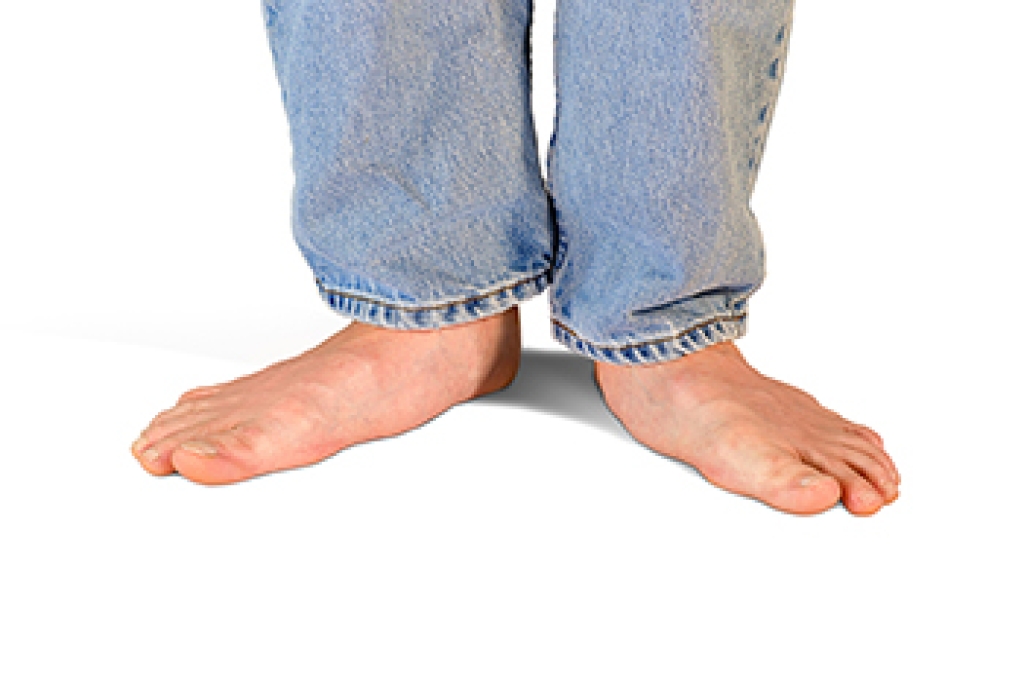
Flatfoot is a condition in which the arch of the foot is depressed and the sole of the foot is almost completely in contact with the ground. About 20-30% of the population generally has flat feet because their arches never formed during growth.

Conditions & Problems:

Having flat feet makes it difficult to run or walk because of the stress placed on the ankles.

Alignment – The general alignment of your legs can be disrupted, because the ankles move inward which can cause major discomfort.

Knees – If you have complications with your knees, flat feet can be a contributor to arthritis in that area.  

Symptoms

  • Pain around the heel or arch area
  • Trouble standing on the tip toe
  • Swelling around the inside of the ankle
  • Flat look to one or both feet
  • Having your shoes feel uneven when worn

Treatment

If you are experiencing pain and stress on the foot you may weaken the posterior tibial tendon, which runs around the inside of the ankle. 

If you have any questions, please feel free to contact our offices located in North Miami, and Pembroke Pines, FL . We offer the newest diagnostic and treatment technologies for all your foot care needs.
Read more about Flat Feet

Keys to Preventing Falls on Balconies

It is well-known that senior citizens can struggle with maintaining the health of their feet. There are many different reasons for this. However, as a result of diminished foot health, seniors might become more likely to suffer a fall or tumble. One place in which a senior might fall is on a balcony in the home or even near Juliette balconies. Obviously a senior might be able to combat this possibility of falling on a balcony by strengthening the muscles in their feet to make them more resilient and stable. Another way to help prevent falls on balconies might even include ensuring that there are adequate railings and guards installed on or near the balcony. Providing proper edge protection might go a long way in preventing falls among seniors. If you are a senior citizen that has a balcony in their home and you are concerned about the health of your feet, it is suggested that you schedule an appointment with a podiatrist today.

Preventing falls among the elderly is very important. If you are older and have fallen or fear that you are prone to falling, consult with one of our podiatrists from Florida. Our doctors will assess your condition and provide you with quality advice and care.

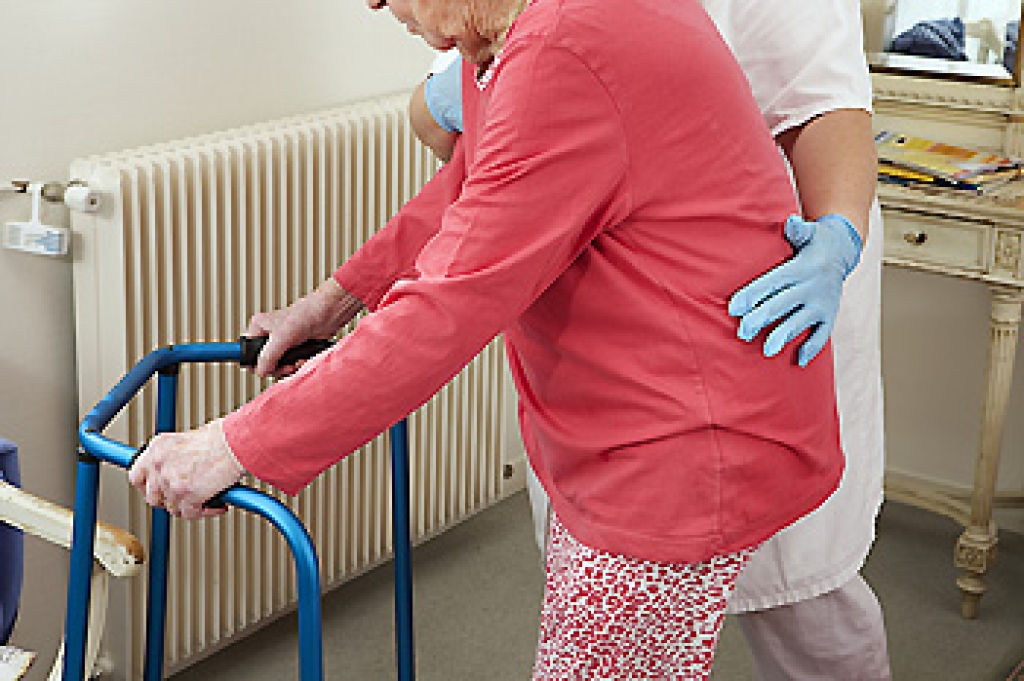
Every 11 seconds, an elderly American is being treated in an emergency room for a fall related injury. Falls are the leading cause of head and hip injuries for those 65 and older. Due to decreases in strength, balance, senses, and lack of awareness, elderly persons are very susceptible to falling. Thankfully, there are a number of things older persons can do to prevent falls.

How to Prevent Falls

Some effective methods that older persons can do to prevent falls include:

  • Enrolling in strength and balance exercise program to increase balance and strength
  • Periodically having your sight and hearing checked
  • Discuss any medications you have with a doctor to see if it increases the risk of falling
  • Clearing the house of falling hazards and installing devices like grab bars and railings
  • Utilizing a walker or cane
  • Wearing shoes that provide good support and cushioning
  • Talking to family members about falling and increasing awareness

Falling can be a traumatic and embarrassing experience for elderly persons; this can make them less willing to leave the house, and less willing to talk to someone about their fears of falling. Doing such things, however, will increase the likelihood of tripping or losing one’s balance. Knowing the causes of falling and how to prevent them is the best way to mitigate the risk of serious injury.  

If you have any questions, please feel free to contact our offices located in North Miami, and Pembroke Pines, FL . We offer the newest diagnostic and treatment technologies for all your foot care needs.

Read more about Falls Prevention

Proper Care For Ankle Sprains

If an injured ankle doesn’t have enough time to thoroughly heal, the chances of a reinjury increase, experts say. Caring for an ankle sprain is essential to preventing a recurrence, and possible chronic pain. A sprain occurs when a ligament in the ankle joint is overstretched, resulting in tears of the tissue or, in severe cases, a rupture. Pain, swelling, bruising, and weakness in the joint are likely to occur. The first thing to do after incurring an ankle sprain is to stay off the foot. After being examined by a podiatrist to determine the severity of the sprain, a soft cast or protective boot may be prescribed. Bearing weight may be out of the question at first, and keeping the affected leg elevated as much as possible can speed up the healing process. Some type of pain medication is often prescribed, as well. The podiatrist may suggest certain exercises to strengthen the foot and ankle that can help to prevent future injuries and chronic pain. Patience is a necessary component of a permanent recovery from an ankle sprain, as healing can take as long as six weeks or more. For further guidance, it is suggested that you consult a podiatrist for a treatment plan.

Ankle sprains are common but need immediate attention. If you need your feet checked, contact one of our podiatrists from Florida. Our doctors can provide the care you need to keep you pain-free and on your feet.

How Does an Ankle Sprain Occur?

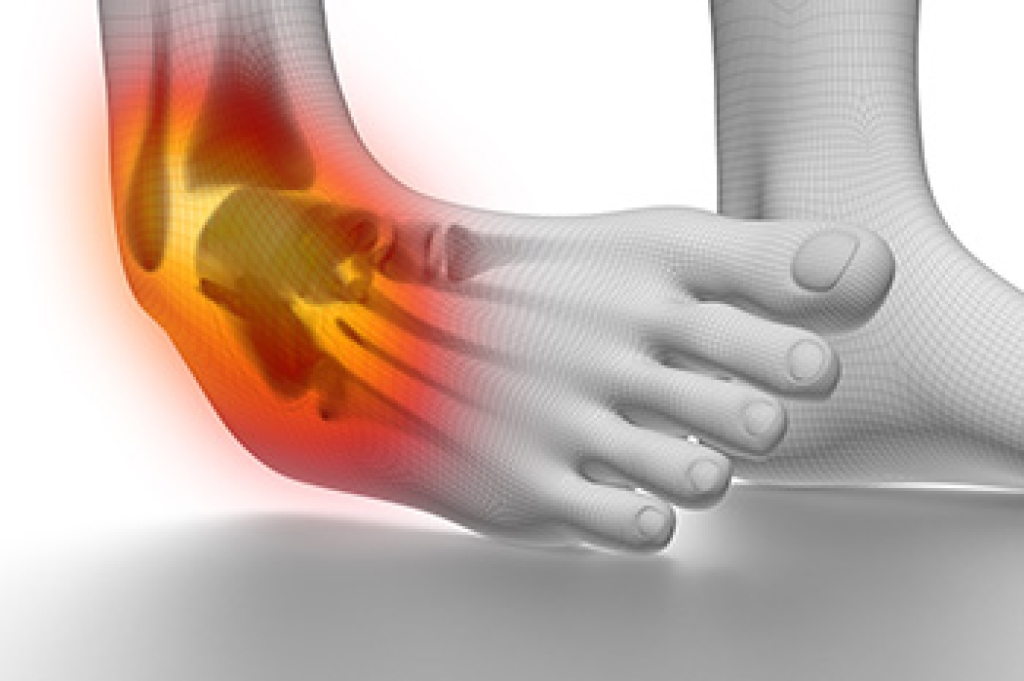
Ankle sprains take place when the ligaments in your ankle are torn or stretched beyond their limits. There are multiple ways that the ankle can become injured, including twisting or rolling over onto your ankle, putting undue stress on it, or causing trauma to the ankle itself.

What Are the Symptoms?

  • Mild to moderate bruising
  • Limited mobility
  • Swelling
  • Discoloration of the skin (depending on severity)

Preventing a Sprain

  • Wearing appropriate shoes for the occasion
  • Stretching before exercises and sports
  • Knowing your limits

Treatment of a Sprain

Treatment of a sprain depends on the severity.  Many times, people are told to rest and remain off their feet completely, while others are given an air cast. If the sprain is very severe, surgery may be required.

If you have suffered an ankle sprain previously, you may want to consider additional support such as a brace and regular exercises to strengthen the ankle.

If you have any questions please feel free to contact our offices located in North Miami, and Pembroke Pines, FL . We offer the newest diagnostic tools and technology to treat your foot and ankle needs.

Read more about Ankle Sprains
scroll to top