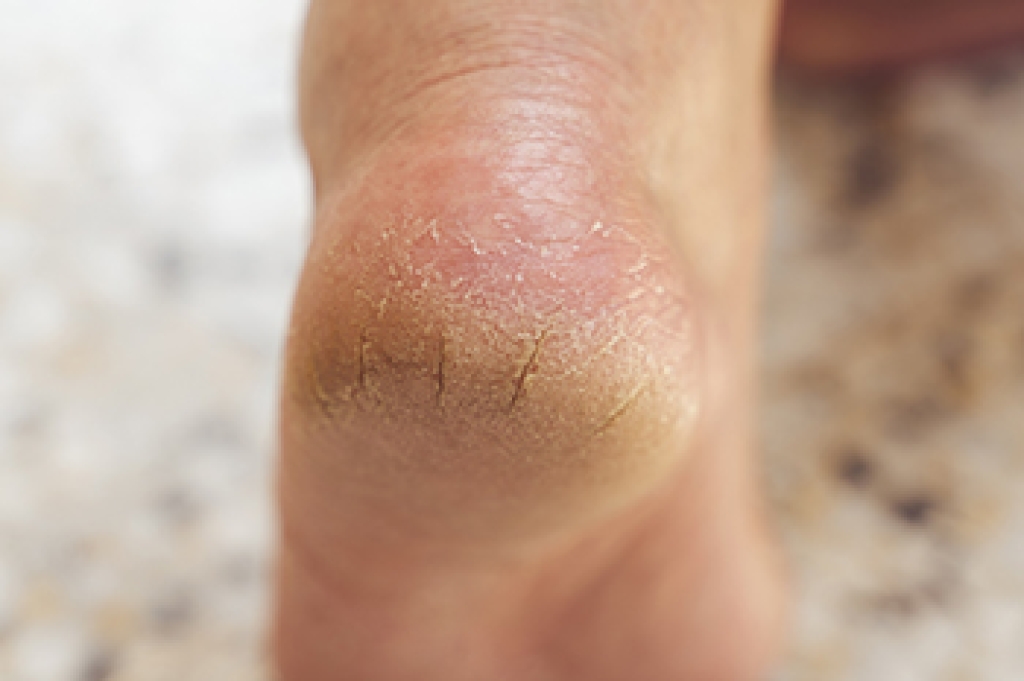
Symptoms and Causes of Heel Fissures

Heel fissures are deep cracks that form in the thick skin on the back of the heel. These cracks often begin as dry, flaky areas that may widen, causing pain, bleeding, or difficulty walking. In severe cases, the skin may split deeply enough to expose sensitive tissue and increase the risk of infection. Common causes of heel fissures include prolonged standing, excess body weight, wearing open-backed shoes, and frequently walking barefoot. Dry climates and reduced sweat gland activity can also lead to rough, hardened skin. Diabetes, eczema, poor circulation, and fungal infections like athlete’s foot, also may raise the likelihood of developing heel fissures. Over time, repeated pressure on the heel can worsen the cracks and affect balance or stability. A podiatrist can assess skin health, identify underlying conditions, and recommend supportive footwear or custom orthotics to improve pressure distribution. If you have painful cracked heels, it is suggested that you make an appointment with a podiatrist for an exam, diagnosis, and treatment.

Cracked heels are unsightly and can cause further damage to your shoes and feet. If you have any concerns, contact one of our podiatrists from Florida. Our doctors can provide the care you need to keep you pain-free and on your feet.

Cracked Heels

Cracked heels appear unappealing and can make it harder for you walk around in sandals. Aside from looking unpleasant, cracked heels can also tear stockings, socks, and wear out your shoes. There are several methods to help restore a cracked heel and prevent further damage.

How Do You Get Them?

Dry skin is the number one culprit in creating cracked heels. Many athletes, walkers, joggers, and even swimmers suffer from cracked heels. Age and skin oil production play a role to getting cracked heels as well.

Promote Healing

Over the counter medicines can help, especially for those that need instant relief or who suffer from chronic dry feet.

Wear Socks – Wearing socks with medicated creams helps lock in moisture.

Moisturizers – Applying both day and night will help alleviate dryness which causes cracking.

Pumice Stones – These exfoliate and remove dead skin, which allows for smoother moisturizer application and better absorption into the skin. 

Change in Diet

Eating healthy with a well-balanced diet will give the skin a fresh and radiant look. Your body responds to the kinds of food you ingest. Omega-3 fatty acids and zinc supplements can also revitalize skin tissue.

Most importantly, seek professional help if unsure how to proceed in treating cracked heels. A podiatrist will help you with any questions or information needed. 

If you have any questions, please feel free to contact our offices located in North Miami, and Pembroke Pines, FL . We offer the newest diagnostic and treatment technologies for all your foot care needs.


Read more about Solutions for Cracked Heels

Keep Your Feet Healthy So You Can Stay Active

Have your feet inspected by a professional before starting a new sport or physical activity. Taking charge of your foot health will keep you in good physical condition and can help you avoid a potential injury, such as a fracture or sprained ankle.

Prevent injuries and see a foot specialist.

Symptoms of Toe Arthritis

Arthritis in the toes is a joint-related condition defined as chronic inflammation affecting the small joints of the forefoot. This inflammation may develop from gradual wear and tear associated with osteoarthritis, or from immune system-related changes seen in rheumatoid arthritis. Symptoms often include pain, swelling, restricted movement, redness, warmth, and gradual joint deformities that may affect walking comfort. Although movement can feel uncomfortable, gentle walking may help maintain joint flexibility and circulation, which supports overall foot function. Causes include aging-related joint stress, previous injury, or inflammatory disease. A podiatrist can evaluate joint health, reduce pressure on affected areas, and recommend supportive treatment. If toe pain or swelling develops, it is suggested that you consult a podiatrist to explore effective relief and management solutions.

Arthritis can be a difficult condition to live with. If you are seeking treatment, contact one of our podiatrists from Florida. Our doctors can provide the care you need to keep you pain-free and on your feet.

Arthritic Foot Care  

Arthritis is a term that is commonly used to describe joint pain.  The condition itself can occur to anyone of any age, race, or gender, and there are over 100 types of it.  Nevertheless, arthritis is more commonly found in women compared to men, and it is also more prevalent in those who are overweight. The causes of arthritis vary depending on which type of arthritis you have. Osteoarthritis for example, is often caused by injury, while rheumatoid arthritis is caused by a misdirected immune system.

Symptoms

  • Swelling
  • Pain
  • Stiffness
  • Decreased Range of Motion

Arthritic symptoms range in severity, and they may come and go. Some symptoms stay the same for several years but could potentially get worse with time. Severe cases of arthritis can prevent its sufferers from performing daily activities and make walking difficult.

Risk Factors

  • Occupation – Occupations requiring repetitive knee movements have been linked to osteoarthritis
  • Obesity – Excess weight can contribute to osteoarthritis development
  • Infection – Microbial agents can infect the joints and trigger arthritis
  • Joint Injuries – Damage to joints may lead to osteoarthritis
  • Age – Risk increases with age
  • Gender –Most types are more common in women
  • Genetics – Arthritis can be hereditary

If you suspect your arthritis is affecting your feet, it is crucial that you see a podiatrist immediately. Your doctor will be able to address your specific case and help you decide which treatment method is best for you.

If you have any questions please feel free to contact our offices located in North Miami, and Pembroke Pines, FL . We offer the newest diagnostic tools and technology to treat your foot and ankle needs.

Read more about How to Care for Your Arthritic Foot

Understanding Fifth Metatarsal Fractures

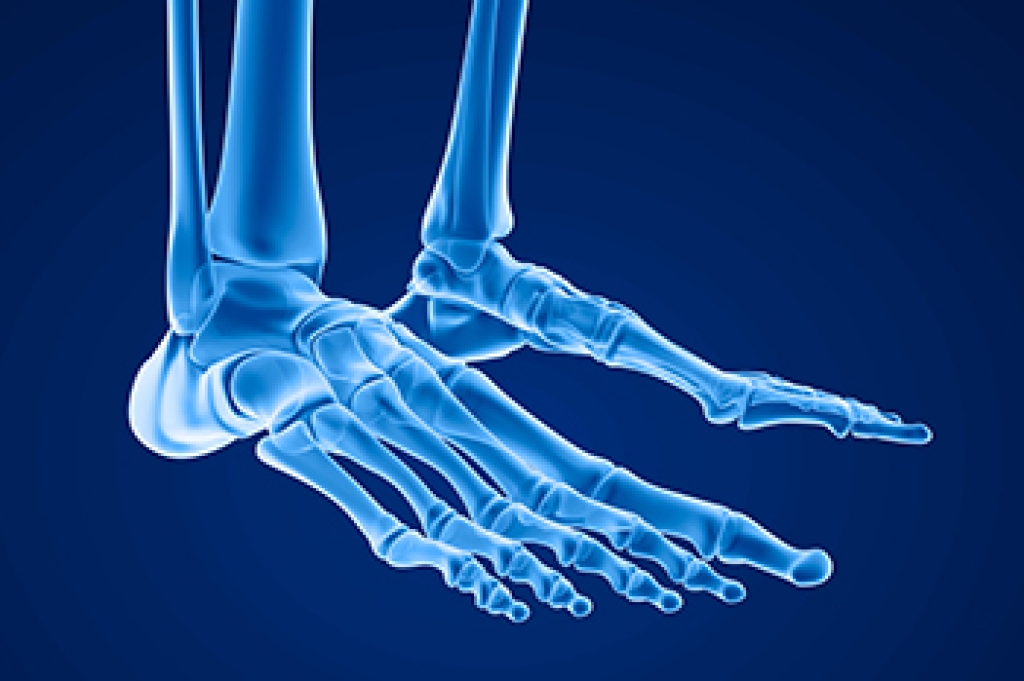
The metatarsals are the five long bones located in the mid-foot that connect the toes to the rest of the foot. The fifth metatarsal is the bone on the outer side that attaches to the small toe. A fracture in this bone is a common injury and can occur from a sudden twist, a fall, or repetitive stress. Pain is usually felt along the outer edge of the foot. Swelling, bruising, and difficulty putting weight on the foot often follow. Some fractures happen at the base of the bone, while others occur farther along the shaft. The exact location affects healing time and treatment decisions. Care may include immobilization with a walking boot, limited weight-bearing activity, or, in certain cases, surgical repair. Early diagnosis is important to prevent delayed healing. If you have persistent outer-foot pain after an injury, it is suggested that you see a podiatrist for a proper diagnosis and appropriate treatment.

A broken foot requires immediate medical attention and treatment. If you need your feet checked, contact one of our podiatrists from Florida. Our doctors can provide the care you need to keep you pain-free and on your feet.

Broken Foot Causes, Symptoms, and Treatment

A broken foot is caused by one of the bones in the foot typically breaking when bended, crushed, or stretched beyond its natural capabilities. Usually the location of the fracture indicates how the break occurred, whether it was through an object, fall, or any other type of injury. 

Common Symptoms of Broken Feet:

  • Bruising
  • Pain
  • Redness
  • Swelling
  • Blue in color
  • Numbness
  • Cold
  • Misshapen
  • Cuts
  • Deformities

Those that suspect they have a broken foot shoot seek urgent medical attention where a medical professional could diagnose the severity.

Treatment for broken bones varies depending on the cause, severity and location. Some will require the use of splints, casts or crutches while others could even involve surgery to repair the broken bones. Personal care includes the use of ice and keeping the foot stabilized and elevated.

If you have any questions, please feel free to contact our offices located in North Miami, and Pembroke Pines, FL . We offer the newest diagnostic and treatment technologies for all your foot care needs.
Read more about Causes, Symptoms, and Treatment for a Broken Foot

When Diabetes Reduces Blood Flow to the Feet

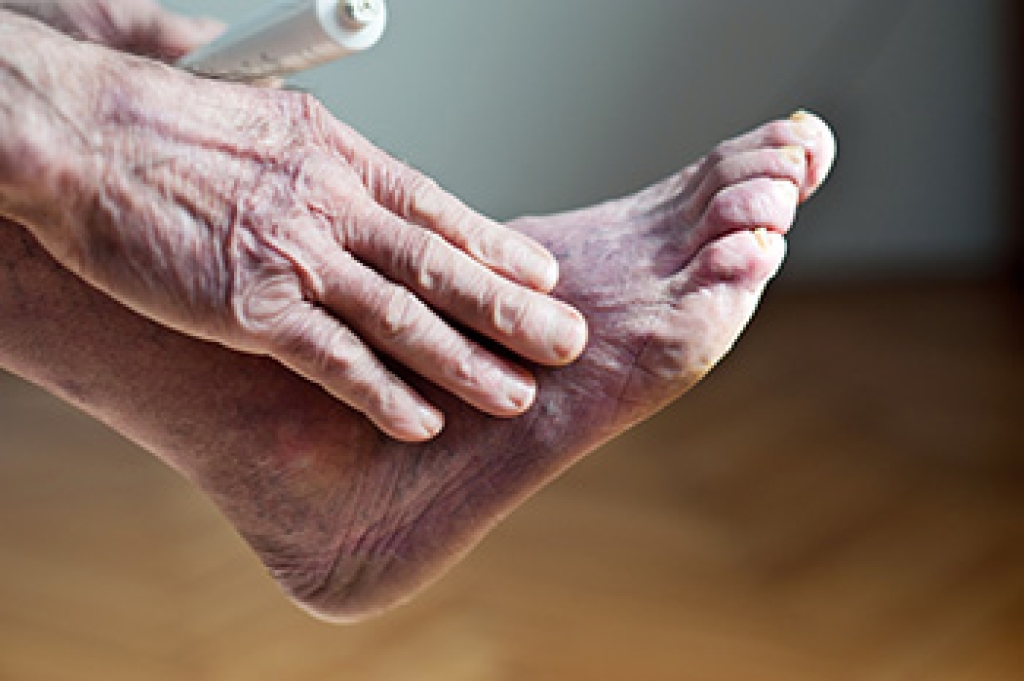
Diabetes can have a significant impact on blood flow to the legs and feet. Over time, elevated blood sugar levels damage blood vessels, causing them to narrow and stiffen. This reduces circulation to the lower extremities, and limits the delivery of oxygen and nutrients needed for healthy tissue. Poor blood flow slows wound healing and makes the feet more vulnerable to ulcers and infection, even from minor injuries. People may notice cold feet, skin color changes, hair loss on the legs, or pain when walking that improves with rest. Because circulation problems often develop gradually, they may go unnoticed until complications appear. Ongoing circulation changes increase the risk of serious outcomes that affect mobility and independence. Routine foot checks and early attention to symptoms are important. If you have diabetes and notice changes in your feet, it is suggested you see a podiatrist for evaluation and appropriate care.

Poor circulation is a serious condition and needs immediate medical attention. If you have any concerns with poor circulation in your feet contact one of our podiatrists of Florida. Our doctors will treat your foot and ankle needs.

Poor Circulation in the Feet

Poor blood circulation in the feet and legs is can be caused by peripheral artery disease (PAD), which is the result of a buildup of plaque in the arteries.

Plaque buildup or atherosclerosis results from excess calcium and cholesterol in the bloodstream. This can restrict the amount of blood which can flow through the arteries. Poor blood circulation in the feet and legs are sometimes caused by inflammation in the blood vessels, known as vasculitis.

Causes

Lack of oxygen and oxygen from poor blood circulation restricts muscle growth and development. It can also cause:

  • Muscle pain, stiffness, or weakness 
  • Numbness or cramping in the legs
  • Skin discoloration
  • Slower nail & hair growth
  • Erectile dysfunction

Those who have diabetes or smoke are at greatest risk for poor circulation, as are those who are over 50. If you have poor circulation in the feet and legs it may be caused by PAD and is important to make changes to your lifestyle in order to reduce risk of getting a heart attack or stroke. Exercise and maintaining a healthy lifestyle will dramatically improve conditions.

As always, see a podiatrist as he or she will assist in finding a regimen that suits you. A podiatrist can also prescribe you any needed medication. 

If you have any questions, please feel free to contact our offices located in North Miami, and Pembroke Pines, FL . We offer the newest diagnostic and treatment technologies for all your foot care needs.
Read more about Causes Symptoms and Treatment for Poor Circulation in the Feet
scroll to top