Plantar Fasciitis Is a Common Cause of Heel Pain

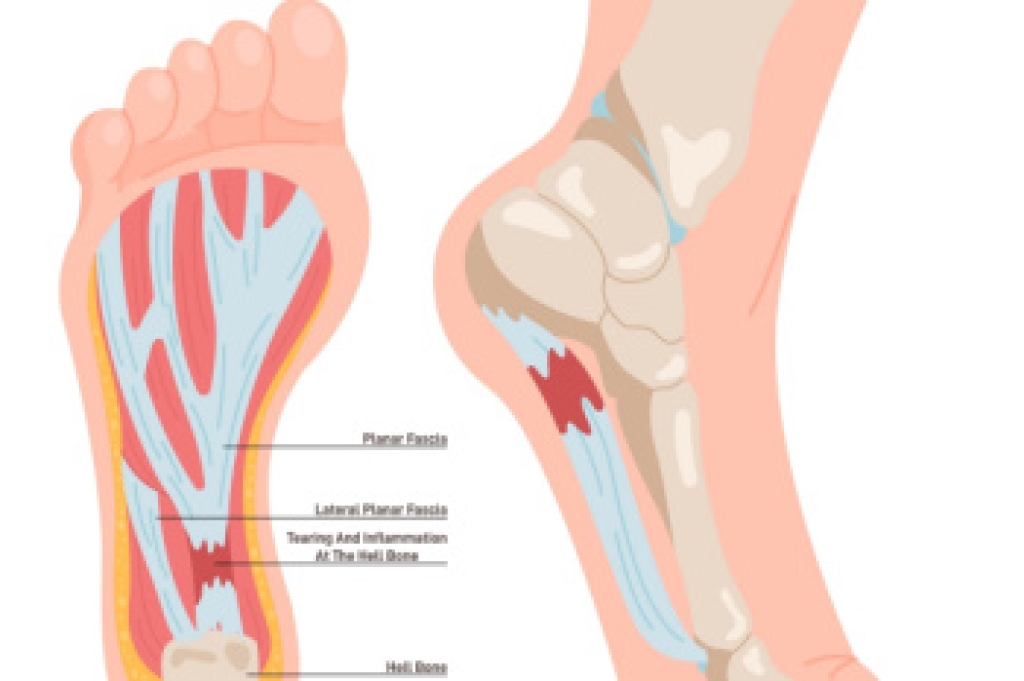
Plantar fasciitis is the inflammation of the plantar fascia, a thick band of tissue that runs along the bottom of the foot, connecting the heel to the toes. It is often caused by repetitive strain, prolonged standing, or wearing unsupportive footwear. Risk factors include high arches, flat feet, obesity, and increased activity levels. Symptoms typically include sharp heel pain, especially during the first steps in the morning or after rest. A podiatrist can diagnose the condition, recommend stretching exercises, prescribe custom orthotics, and suggest footwear changes. If you are experiencing heel pain that interferes with daily activities, it is suggested that you consult a podiatrist for a diagnosis and treatment.

Plantar fasciitis can be very painful and inconvenient. If you are experiencing heel pain or symptoms of plantar fasciitis, contact one of our podiatrists  from Florida. Our doctors can provide the care you need to keep you pain-free and on your feet.

What Is Plantar Fasciitis?

Plantar fasciitis is the inflammation of the thick band of tissue that runs along the bottom of your foot, known as the plantar fascia, and causes mild to severe heel pain.

What Causes Plantar Fasciitis?

  • Excessive running
  • Non-supportive shoes
  • Overpronation
  • Repeated stretching and tearing of the plantar fascia

How Can It Be Treated?

  • Conservative measures – anti-inflammatories, ice packs, stretching exercises, physical therapy, orthotic devices
  • Shockwave therapy – sound waves are sent to the affected area to facilitate healing and are usually used for chronic cases of plantar fasciitis
  • Surgery – usually only used as a last resort when all else fails. The plantar fascia can be surgically detached from the heel

While very treatable, plantar fasciitis is definitely not something that should be ignored. Especially in severe cases, speaking to your doctor right away is highly recommended to avoid complications and severe heel pain. Your podiatrist can work with you to provide the appropriate treatment options tailored to your condition.

If you have any questions, please feel free to contact our offices located in North Miami, and Pembroke Pines, FL . We offer the newest diagnostic and treatment technologies for all your foot care needs.
Read more about Plantar Fasciitis

Foot Problems From Wearing the Wrong Size Shoes

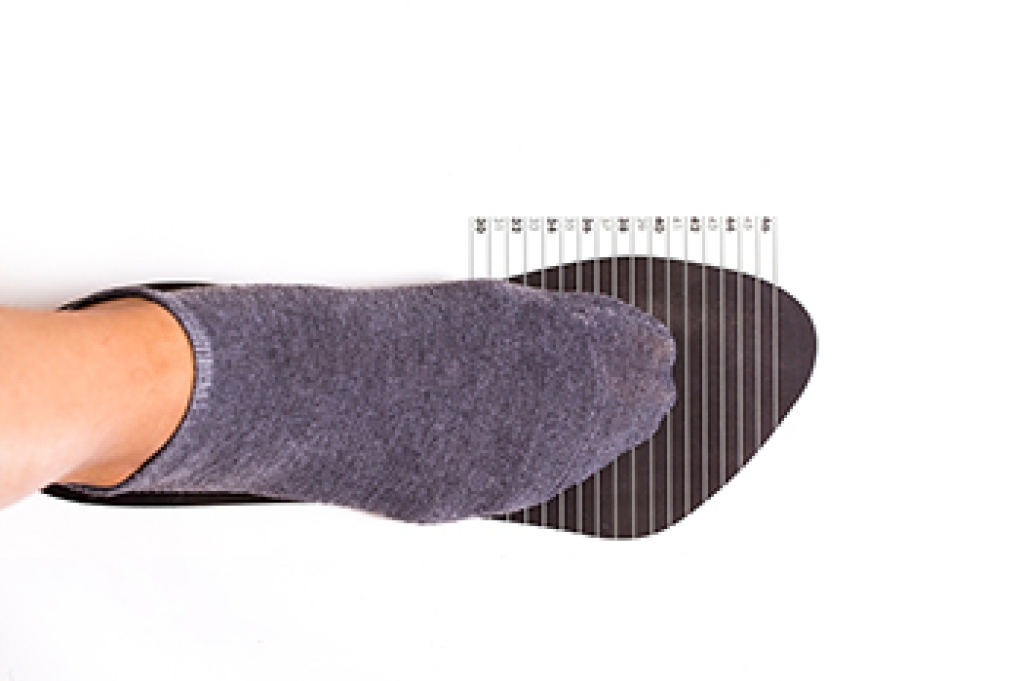
Knowing your correct shoe size is important for foot comfort and health. To measure at home, place your foot on a piece of paper, mark the tip of the longest toe and the end of the heel, then measure the length. For width, measure across the widest part of your foot. Wearing shoes that are too tight or too loose can lead to blisters, bunions, hammertoes, and arch pain. A podiatrist can evaluate your foot shape, identify pressure points, and recommend proper footwear. If you have developed foot pain from wearing the wrong shoe size, it is suggested that you consult a podiatrist who can help guide you toward the right fit and prevent future foot problems.

Getting the right shoe size is an important part of proper foot health. Seek the assistance of one of our podiatrists from Florida. Our doctors will provide the care you need to keep you pain-free and on your feet.

Getting the Right Shoe Size

There are many people who wear shoes that are the incorrect size, negatively affecting their feet and posture. Selecting the right shoes is not a difficult process, so long as you keep several things in mind when it comes to choosing the right pair.

  • When visiting the shoe store, use the tools available to measure your foot.
  • Be sure there is ‘wiggle room’. There should be about an inch between your toes and the tip of your shoes.
  • Do not always assume you are the same size, as manufacturers run differently.
  • Purchase shoes later in the day, as your feet swell as the day progresses.
  • If a shoe is not comfortable, it is not suitable. Most shoes can’t be ‘broken in’, and comfort should be the ultimate goal when it comes to choosing the right pair of shoes

As our feet hold our body weight and keep us moving, it is important to treat them right. Picking the right pair of shoes can provide your feet comfort and mobility without pain.

If you have any questions, please feel free to contact our offices located in North Miami, and Pembroke Pines, FL . We offer the newest diagnostic and treatment technologies for all your foot care needs.
Read more about Getting the Right Shoe Size: To Keep Your Feet Happy

Cracked Heels and Discomfort

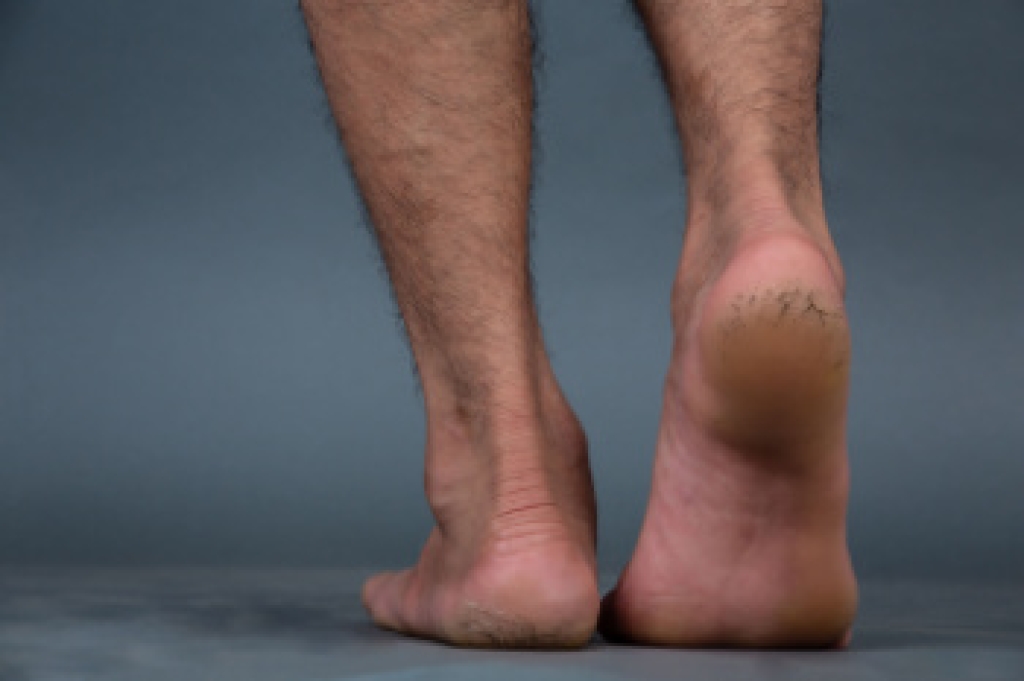
Cracked heels occur when the skin on the heel becomes dry, thick, and splits open. This condition is often caused by prolonged standing, open-back shoes, dry weather, or lack of moisturizing foot care. Risk factors include obesity, diabetes, and skin conditions like eczema. Symptoms include rough skin, visible cracks, itching, and pain during walking. Cracks hurt because pressure on the heel causes the dry skin to split deeper, exposing sensitive tissue. A podiatrist can provide professional treatment to remove thick skin, promote healing, and prevent infection. This type of doctor can recommend custom creams, proper footwear, and preventive care. If cracked heels are causing discomfort or bleeding, it is suggested that you promptly visit a podiatrist who can offer effective treatment solutions, which may include prescribed medication.

If the skin on your feet starts to crack, you may want to see a podiatrist to find treatment. If you have any concerns, contact one of our podiatrists from Florida. Our doctors can provide the care you need to keep you pain-free and on your feet.

Cracked Heels

It is important to moisturize your cracked heels in order to prevent pain, bleeding, and infection. The reason cracked heels form is because the skin on the foot is too dry to support the immense pressure placed on them. When the foot expands, the dry skin on the foot begins to split.

Ways to Help Heal Them

  • Invest in a good foot cream
  • Try Using Petroleum Jelly
  • Ease up on Soaps
  • Drink Plenty of Water

Ways to Prevent Cracked Heels

  • Moisturize After Showering
  • Skip a Shower
  • Keep Shower Water Lukewarm
  • Don’t Scrub Your Feet

If you are unsure how to proceed in treating cracked heels, seek guidance from a podiatrist. Your doctor will help you with any questions or information you may need. 

If you have any questions, please feel free to contact our offices located in North Miami, and Pembroke Pines, FL . We offer the newest diagnostic and treatment technologies for all your foot care needs.
Read more about Solutions for Cracked Heels

Stop Your Toenail Fungus

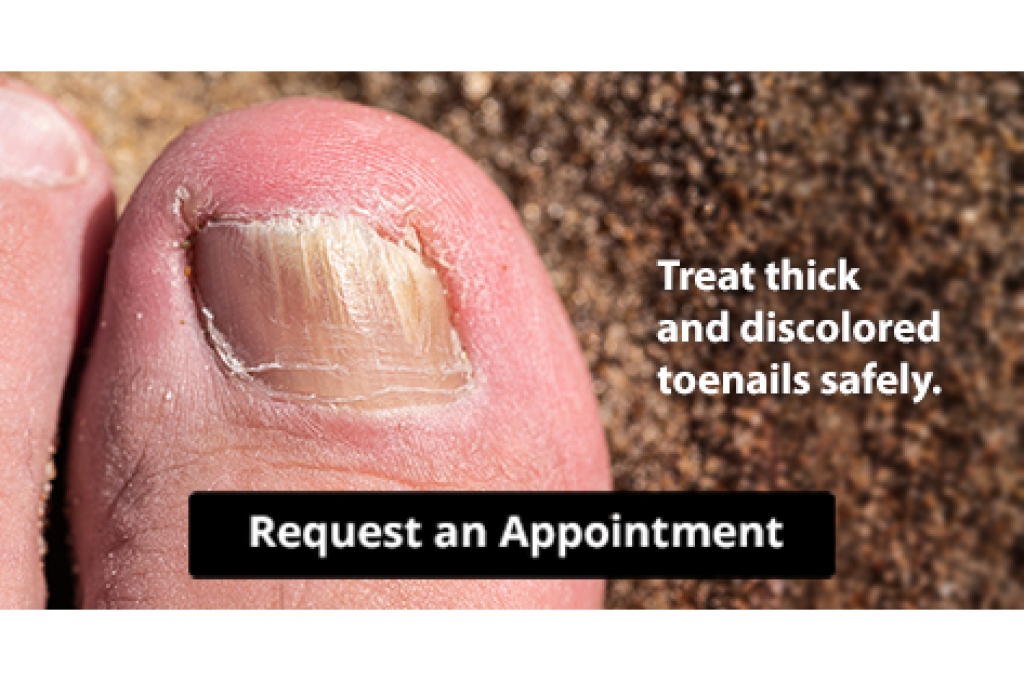
Have you noticed discoloration of your toenails? Have they become thickened or brittle? If so, you may be experiencing symptoms of a fungal nail infection. For some, having a fungal nail can be embarrassing. Overcome your embarrassment, and get treated.

Blisters and Corns Are Small Issues That Cause Big Discomfort

Blisters, corns, and calluses may seem minor, but they can cause significant foot discomfort. Blisters are fluid-filled pockets caused by friction, often from wearing tight shoes or taking long walks. Corns are small, hardened areas typically found on toes, while calluses are thicker patches of skin on the soles, both caused by repeated pressure or rubbing. These conditions may look like raised, thickened, or rough skin and can feel tender, painful, or irritated, especially when walking or wearing shoes. A podiatrist can treat them by gently removing thickened skin, draining blisters when necessary, and recommending proper footwear or orthotics to prevent recurrence. While these issues are common, people with diabetes or poor circulation are at a higher risk for complications, as minor skin problems can quickly lead to serious infections. If you have any of these conditions, it is suggested that you schedule an appointment with a podiatrist for appropriate treatment.

Blisters are prone to making everyday activities extremely uncomfortable. If your feet are hurting, contact one of our podiatrists of Florida. Our doctors can provide the care you need to keep you pain-free and on your feet.

Foot Blisters

Foot blisters develop as a result of constantly wearing tight or ill-fitting footwear. This happens due to the constant rubbing from the shoe, which can often lead to pain.

What Are Foot Blisters?

A foot blister is a small fluid-filled pocket that forms on the upper-most layer of the skin. Blisters are filled with clear fluid and can lead to blood drainage or pus if the area becomes infected.

How Do Blisters Form?

Blisters on the feet are often the result of constant friction of skin and material, usually by shoe rubbing. Walking in sandals, boots, or shoes that don’t fit properly for long periods of time can result in a blister. Having consistent foot moisture and humidity can easily lead to blister formation.

Prevention & Treatment

It is important to properly care for the affected area in order to prevent infection and ease the pain. Do not lance the blister and use a Band-Aid to provide pain relief. Also, be sure to keep your feet dry and wear proper fitting shoes. If you see blood or pus in a blister, seek assistance from a podiatrist.

If you have any questions, please feel free to contact our offices located in North Miami, and Pembroke Pines, FL . We offer the newest diagnostic and treatment technologies for all your foot care needs.

Read more about Blisters on the Feet
scroll to top