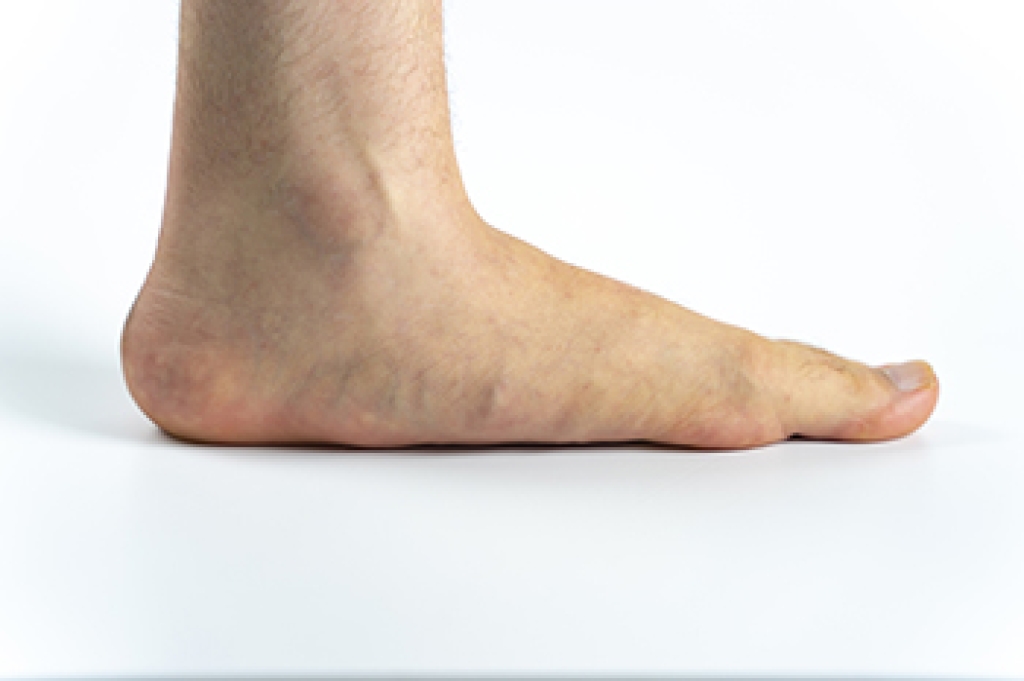
Risk Factors for Flat Feet

Flat feet is a condition in which the arches of the feet collapse or do not develop properly, causing the entire sole to make contact with the ground. This can result from genetics, injury, tendon dysfunction, or gradual wear over time. Symptoms may include foot pain, swelling, fatigue, and discomfort in the ankles, knees, or lower back. Risk factors include obesity, aging, prolonged standing, and wearing improper footwear that lacks support. Without proper care, flat feet can affect alignment and lead to further strain on the body. A podiatrist can help by evaluating foot structure, recommending supportive devices, and guiding treatment. If you have flat feet and are experiencing pain or discomfort, it is suggested that you consult a podiatrist who can help you to manage this condition.

Flatfoot is a condition many people suffer from. If you have flat feet, contact one of our podiatrists from Florida. Our doctors will treat your foot and ankle needs.

What Are Flat Feet?

Flatfoot is a condition in which the arch of the foot is depressed and the sole of the foot is almost completely in contact with the ground. About 20-30% of the population generally has flat feet because their arches never formed during growth.

Conditions & Problems:

Having flat feet makes it difficult to run or walk because of the stress placed on the ankles.

Alignment – The general alignment of your legs can be disrupted, because the ankles move inward which can cause major discomfort.

Knees – If you have complications with your knees, flat feet can be a contributor to arthritis in that area.  

Symptoms

  • Pain around the heel or arch area
  • Trouble standing on the tip toe
  • Swelling around the inside of the ankle
  • Flat look to one or both feet
  • Having your shoes feel uneven when worn

Treatment

If you are experiencing pain and stress on the foot you may weaken the posterior tibial tendon, which runs around the inside of the ankle. 

If you have any questions, please feel free to contact our offices located in North Miami, and Pembroke Pines, FL . We offer the newest diagnostic and treatment technologies for all your foot care needs.

Read more about What is Flexible Flat Foot?

A Rare Ankle Fracture and What It Means

Some ankle fractures involve more than a simple break, and can affect multiple structures at once. In a less common pattern, the talus, a central bone in the ankle, can split from front to back while the inner ankle bone is also fractured. This type of injury may occur when the foot is forced downward with a twisting motion and strong pressure through the joint. These combined forces create instability and require careful management. Treatment often involves a surgical approach to realign the bones and secure them with screws so they can heal in the correct position. With proper healing and targeted exercises, many individuals regain good movement and have only mild discomfort over time. Because this type of fracture is complex, early care is important. If you have severe ankle pain after an injury, it is suggested that you see a podiatrist for a proper diagnosis and appropriate treatment.

test

Read more about All About Broken Ankles

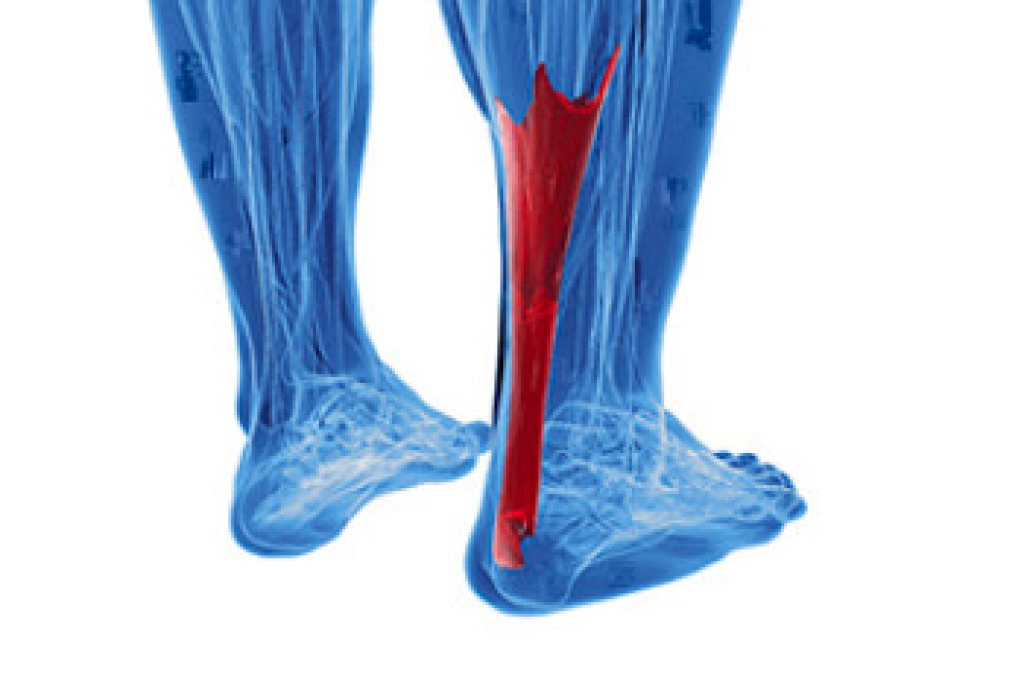
Causes of Achilles Tendonitis

Achilles tendonitis causes pain and swelling in the tendon at the back of the heel. The Achilles tendon is a strong cord that connects the calf muscles to the heel bone. It can become irritated when it is overused or placed under too much stress. This might result from starting a new training program or attempting to resume a normal activity level after an injury. As calf muscles tighten they can increase tension on the tendon and lead to small tears in its fibers. Certain shoes also can contribute to Achilles tendonitis. Age, weight, and certain health conditions may further increase the risk. Pain may occur in the middle of the tendon or where it attaches to the heel. A podiatrist can identify the cause, evaluate movement, and provide treatment to reduce strain. If you are experiencing Achilles tendon pain, it is suggested that you make an appointment with a podiatrist for an exam, diagnosis, and treatment.

Achilles tendon injuries need immediate attention to avoid future complications. If you have any concerns, contact one of our podiatrists of Florida. Our doctors can provide the care you need to keep you pain-free and on your feet.

What Is the Achilles Tendon?

The Achilles tendon is a tendon that connects the lower leg muscles and calf to the heel of the foot. It is the strongest tendon in the human body and is essential for making movement possible. Because this tendon is such an integral part of the body, any injuries to it can create immense difficulties and should immediately be presented to a doctor.

What Are the Symptoms of an Achilles Tendon Injury?

There are various types of injuries that can affect the Achilles tendon. The two most common injuries are Achilles tendinitis and ruptures of the tendon.

Achilles Tendinitis Symptoms

  • Inflammation
  • Dull to severe pain
  • Increased blood flow to the tendon
  • Thickening of the tendon

Rupture Symptoms

  • Extreme pain and swelling in the foot
  • Total immobility

Treatment and Prevention

Achilles tendon injuries are diagnosed by a thorough physical evaluation, which can include an MRI. Treatment involves rest, physical therapy, and in some cases, surgery. However, various preventative measures can be taken to avoid these injuries, such as:

  • Thorough stretching of the tendon before and after exercise
  • Strengthening exercises like calf raises, squats, leg curls, leg extensions, leg raises, lunges, and leg presses

If you have any questions please feel free to contact our offices located in North Miami, and Pembroke Pines, FL . We offer the newest diagnostic tools and technology to treat your foot and ankle needs.

Read more about What are Achilles Tendon Injuries

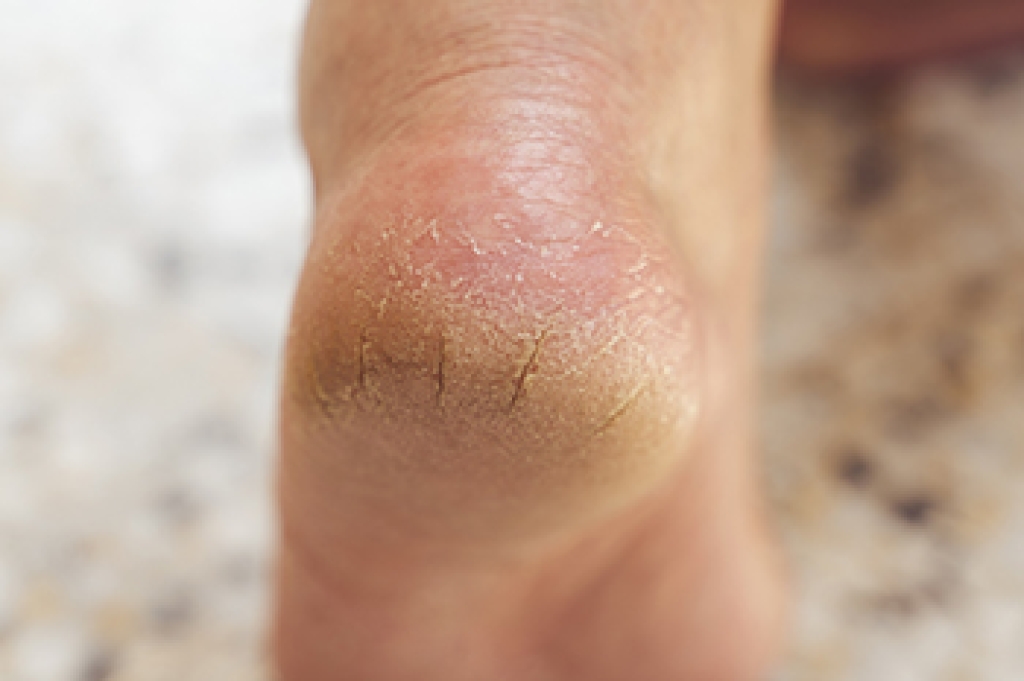
Symptoms and Causes of Heel Fissures

Heel fissures are deep cracks that form in the thick skin on the back of the heel. These cracks often begin as dry, flaky areas that may widen, causing pain, bleeding, or difficulty walking. In severe cases, the skin may split deeply enough to expose sensitive tissue and increase the risk of infection. Common causes of heel fissures include prolonged standing, excess body weight, wearing open-backed shoes, and frequently walking barefoot. Dry climates and reduced sweat gland activity can also lead to rough, hardened skin. Diabetes, eczema, poor circulation, and fungal infections like athlete’s foot, also may raise the likelihood of developing heel fissures. Over time, repeated pressure on the heel can worsen the cracks and affect balance or stability. A podiatrist can assess skin health, identify underlying conditions, and recommend supportive footwear or custom orthotics to improve pressure distribution. If you have painful cracked heels, it is suggested that you make an appointment with a podiatrist for an exam, diagnosis, and treatment.

Cracked heels are unsightly and can cause further damage to your shoes and feet. If you have any concerns, contact one of our podiatrists from Florida. Our doctors can provide the care you need to keep you pain-free and on your feet.

Cracked Heels

Cracked heels appear unappealing and can make it harder for you walk around in sandals. Aside from looking unpleasant, cracked heels can also tear stockings, socks, and wear out your shoes. There are several methods to help restore a cracked heel and prevent further damage.

How Do You Get Them?

Dry skin is the number one culprit in creating cracked heels. Many athletes, walkers, joggers, and even swimmers suffer from cracked heels. Age and skin oil production play a role to getting cracked heels as well.

Promote Healing

Over the counter medicines can help, especially for those that need instant relief or who suffer from chronic dry feet.

Wear Socks – Wearing socks with medicated creams helps lock in moisture.

Moisturizers – Applying both day and night will help alleviate dryness which causes cracking.

Pumice Stones – These exfoliate and remove dead skin, which allows for smoother moisturizer application and better absorption into the skin. 

Change in Diet

Eating healthy with a well-balanced diet will give the skin a fresh and radiant look. Your body responds to the kinds of food you ingest. Omega-3 fatty acids and zinc supplements can also revitalize skin tissue.

Most importantly, seek professional help if unsure how to proceed in treating cracked heels. A podiatrist will help you with any questions or information needed. 

If you have any questions, please feel free to contact our offices located in North Miami, and Pembroke Pines, FL . We offer the newest diagnostic and treatment technologies for all your foot care needs.
Read more about Solutions for Cracked Heels

Keep Your Feet Healthy So You Can Stay Active

Have your feet inspected by a professional before starting a new sport or physical activity. Taking charge of your foot health will keep you in good physical condition and can help you avoid a potential injury, such as a fracture or sprained ankle.

Prevent injuries and see a foot specialist.

scroll to top