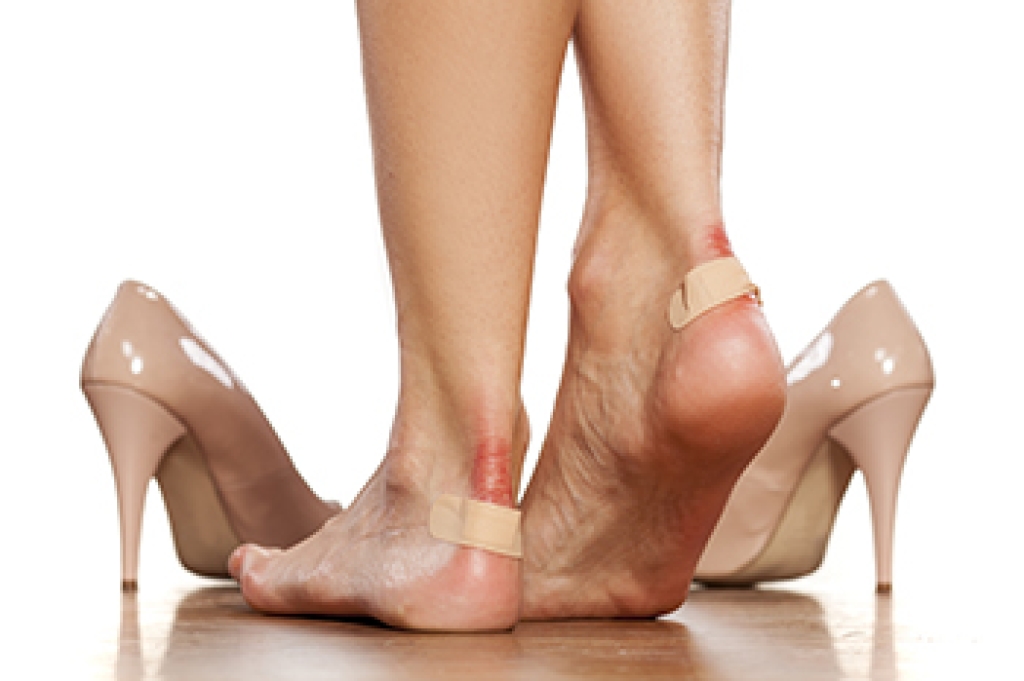
Blisters on the feet are small pockets of fluid that form beneath the skin. They commonly develop when repeated rubbing creates friction between the foot and a shoe. Blisters can also result from burns, allergic reactions, or certain skin conditions. Many people notice blisters on the heels, toes, or the ball of the foot. Symptoms include tenderness, redness, and discomfort when walking. Some blisters remain intact, while others break open and expose the skin underneath. Although many blisters are minor, they can become painful and interfere with daily activities. A podiatrist can recommend the most appropriate treatment to protect the skin and reduce pain. Popping a blister yourself is not recommended, and can cause infection.
An infected blister requires prompt medical attention. Signs of infection include increased pain, swelling, and warmth surrounding the affected area. Redness that spreads beyond the blister is another warning sign. Some infected blisters produce pus or cloudy fluid. More serious infections can cause fever or a general feeling of illness. When bacteria enter an open blister, the infection can spread into nearby tissue. In some cases, a deeper skin infection called cellulitis develops. This is a bacterial infection that causes redness, swelling, and pain. A podiatrist can examine the blister, identify signs of infection, and determine whether prescription medication or specialized wound care is necessary.
Treatment depends on the size, location, and condition of the blister. A podiatrist may safely drain a large blister under sterile conditions, while preserving healthy skin whenever possible. Infected blisters may require medication to control the infection. The podiatrist may also apply protective dressings and monitor the area for proper healing. Patients with diabetes, poor circulation, or weakened immune systems face a greater risk of complications from foot blisters. If you have a painful or infected blister on your foot, it is suggested that you schedule an appointment with a podiatrist for safe and sterile treatment.
Blisters may appear as a single bubble or in a cluster. They can cause a lot of pain and may be filled with pus, blood, or watery serum. If your feet are hurting, contact one of our podiatrists of Florida. Our doctors can provide the care you need to keep you pain-free and on your feet.
Foot Blisters
Foot blisters are often the result of friction. This happens due to the constant rubbing from shoes, which can lead to pain.
What Are Foot Blisters?
A foot blister is a small fluid-filled pocket that forms on the upper-most layer of the skin. Blisters are filled with clear fluid and can lead to blood drainage or pus if the area becomes infected.
Symptoms
(Blister symptoms may vary depending on what is causing them)
- Bubble of skin filled with fluid
- Redness
- Moderate to severe pain
- Itching
Prevention & Treatment
In order to prevent blisters, you should be sure to wear comfortable shoes with socks that cushion your feet and absorb sweat. Breaking a blister open may increase your chances of developing an infection. However, if your blister breaks, you should wash the area with soap and water immediately and then apply a bandage to the affected area. If your blisters cause severe pain it is important that you call your podiatrist right away.
If you have any questions, please feel free to contact our offices located in North Miami, and Pembroke Pines, FL . We offer the newest diagnostic and treatment technologies for all your foot care needs.
